
The disease that kills people every day and can’t be cured – what to do and when to visit a doctor
Asthma is a disease that usually occurs early, the first symptoms appear at young ages like 10 years and there is no cure yet. According to research, over 25 million Americans have Asthma, and the numbers increased since 1980. There are over 300 million people worldwide who suffer from this lung disease. Although it is a very difficult disease, people can live with it. Below we will present more details such as symptoms and solutions for people suffering from this disease.
Everything starts in the lungs. The pulmonary pathways produce more mucus and because of this, the air cannot circulate normally. Those who suffer from this disease can live as long as they avoid certain risk factors such as smoking, animal hair, and dust. Frequent visits to the doctor are also very important to avoid complications and to administer specific medications. If left untreated, the disease gets worse and the lungs start to get worse.
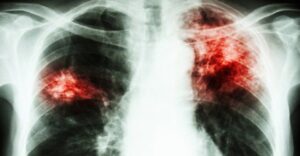
Some of the signs that can indicate the existence of asthma are airway blockages, irritability, and inflammation of the bronchial tubes which damages the lungs. Some symptoms are shortness of breath, coughing, wheezing, pain in the chest. These can lead to asthma attacks, which is a mix of the symptoms mentioned previously, at a higher intensity. If you notice at least two of the symptoms make sure you visit the doctor, he will send you to a specialist named pulmonologist to have you checked more closely. There are many types of treatments for this condition, but to decide which is most suitable for the type of asthma, a visit to a specialist is recommended.
The triggers that lead to the development of this lung disease are infections like colds and flu, allergens, air pollution, exercise, smoking, instant changes in the weather. Asthma can greatly affect daily life because it can occur at unexpected times. It is important to know what triggers it and to avoid those factors, what to do if it gets worse, and to follow the treatment prescribed by the doctor.