
The story below stars Rachel Held Evans, a 33-year-old American writer from Dayton, Tennessee, who set out to live a full year according to the Bible.
The evangelist began her project on October 1, 2010, and followed all the teachings of the Bible, the Old and New Testaments for 364 days. She obeyed her husband, let her hair grow, made her own clothes, learned to cook, covered her head when she prayed, addressed her husband with a “master,” tried to be gentle, and silent and did not gossip, as she herself tells on her personal blog.
In fact, each month was dedicated to some virtues praised in the Bible: attachment to family and household chores, obedience, modesty, beauty, purity, fertility, respect, silence, charity, and faith. Throughout the year, she was guided by the Ten Biblical Commandments for Women.
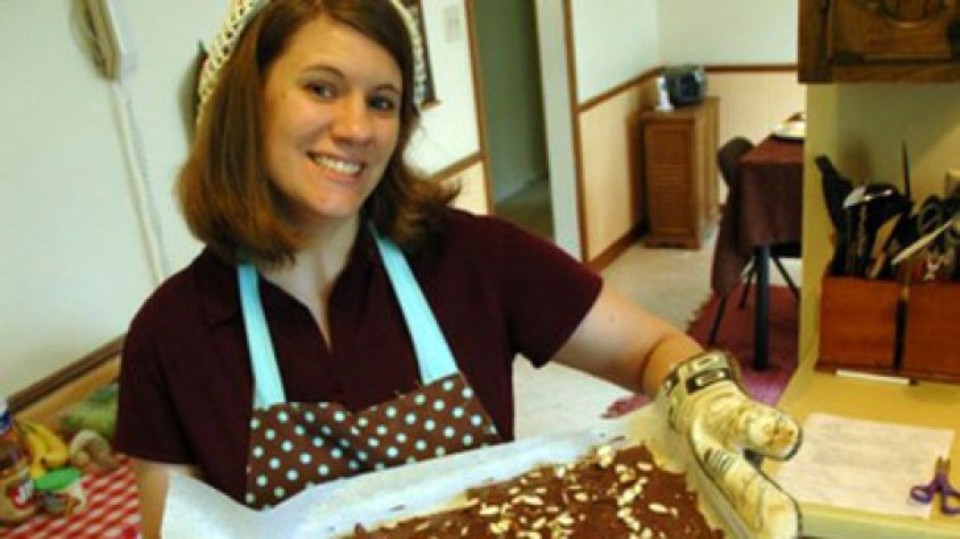
At the same time, she interviewed several women who practice polygamy, Jewish, Amish, and evangelical, all to understand their perspectives on femininity. She read the Bible and examined verses that referred to mothers, daughters, wives, widows, queens, and priestesses.
Among other things, the Bible says that a woman should glorify her husband at the city gate, so Rachel wrote a sign with “Dan is awesome” and waited for her husband to enter the city. .
The difficulties did not take long to appear in Rachel’s life, but the American did not give up. She realized that if you have the will, you can overcome them. The hardest thing, she confesses, was for her to obey her husband. “It was a challenge because my husband and I have a relationship based on equality. It was kind of weird trying to impose a hierarchy in our relationship, ” Rachel said.
“My purpose was not to make fun of the Bible or to glorify the patriarchal elements. I aimed to initiate a conversation about how we interpret and apply biblical precepts in our daily lives. I hope that my adventures will inspire women to be more permissive with themselves and with others, because the truth is that we all choose when it comes to biblical femininity “, the writer explains her approach.
What do you think about her initiative? Would it be difficult for you to do what followed Rachel?